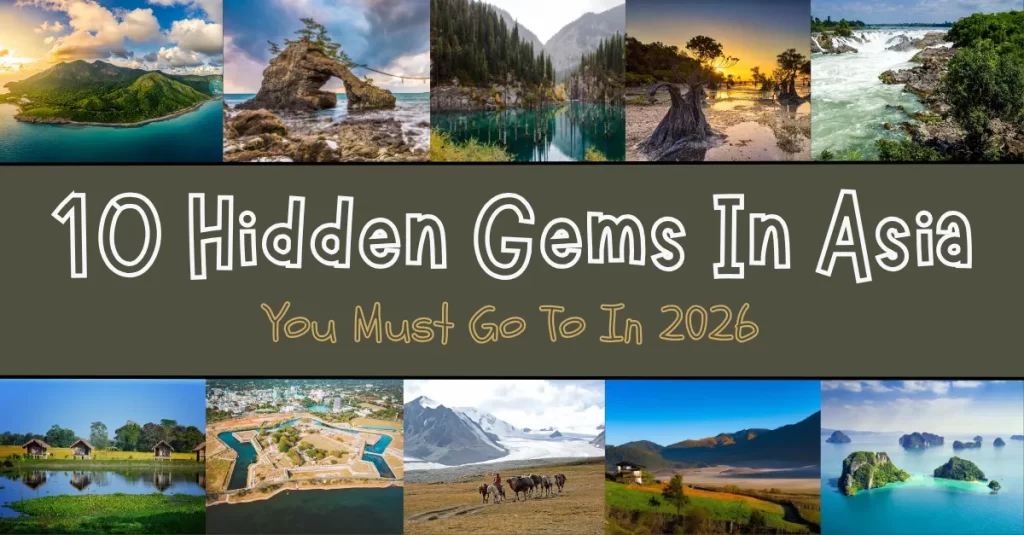
After ten years exploring Asia’s lesser-known spots, I’ve found that the popular places are just too crowded. For 2026, I’ve picked ten hidden gems where the only alerts you’ll hear are from the tide or the wind. This list is for high-performing professionals who really need to get away.
Important note: These secluded spots often take extra effort to reach, like small planes, 4×4 vehicles, or slow boats. I’ve checked that each place meets 2026 environmental standards. The cost estimates are based on ‘Quiet-Luxury’ options, such as private villas and expert guides, so you can expect comfort and privacy—perfect for busy professionals who want to relax and recharge.
10 Hidden Gems In Asia that I explored and you will love them too:
1. Con Dao Archipelago, Vietnam: The Island Prison Turned Paradise
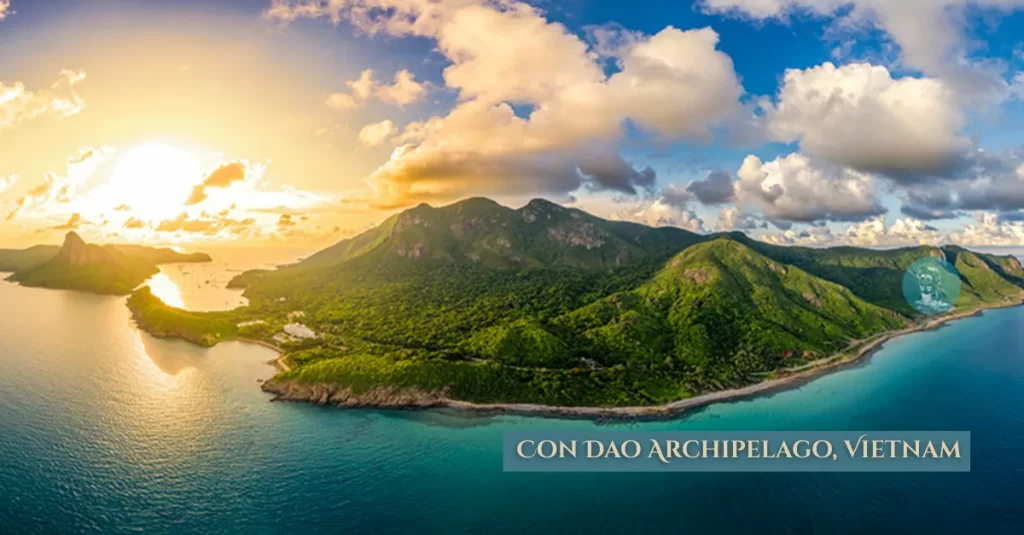
Why I love it: Con Dao offers a tranquil contrast to the crowded beaches of Da Nang. From Dam Trau Beach, you can watch planes come in over the sand and appreciate the calm.
By 2026, Con Dao will lead “Blue Health.” Spend three days at the National Park, dive vibrant reefs, or help rangers release baby turtles.
- The Detail: Book a ‘super catamaran’ from Ho Chi Minh City. The 4.5-hour trip feels like a luxury cruise.
- My Tip: Stay at the Six Senses for total isolation, but eat at the local markets in Con Son town for the best Bánh Xèo.
2. Noto Peninsula, Japan: The Coastal Satoyama Reset
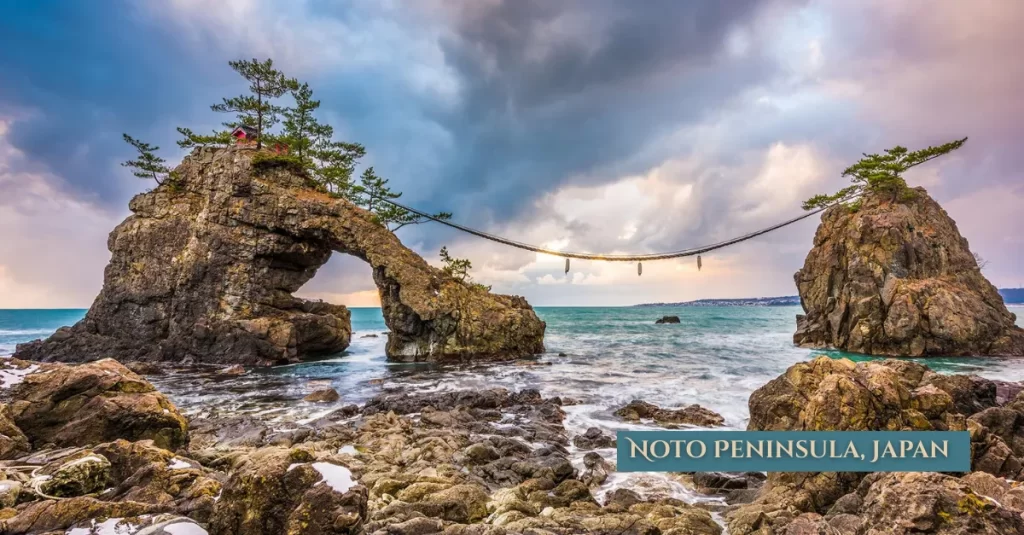
Why I love it: The rugged “Uchiura” coast offers a wildness you won’t find in Kyoto. It’s where Japan’s tradition meets the raw Sea of Japan.
What brings me peace is walking through the Shiroyone Senmayerida rice paddies as they cascade down to the sea. In 2026, the peninsula features ‘Thermal Healing’ Onsens, where volcanic waters help melt away stress.
- The Detail: Access is via the Shinkansen to Kanazawa, then a 2-hour scenic drive north.
- My Tip: Visit the Wajima Morning Market early; it’s one of the oldest in Japan and the best place for authentic lacquerware.
3. Kaindy Lake, Kazakhstan: The Underwater Forest
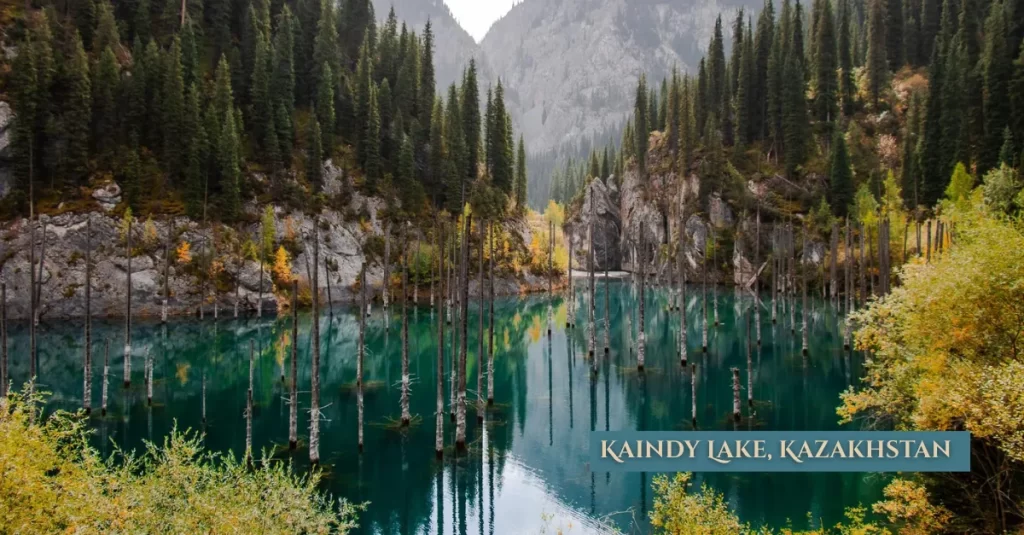
Why I love it: It looks like a scene from a fantasy novel. Seeing 100-year-old spruce trees rising like masts from turquoise water is hauntingly beautiful.
At 2,000 meters, the crisp air is refreshing. I rode from Saty Village, where icy waters keep submerged branches visible beneath the stunning lake.
- The Detail: It’s a five-hour trip by 4×4 from Almaty. Don’t attempt this in a regular car because you’ll need to cross real rivers along the way.
- My Tip: Combine this with Charyn Canyon—it’s Kazakhstan’s version of the Grand Canyon, but with zero crowds.
4. Sumba Island, Indonesia: Wild Horses and Raw Luxury
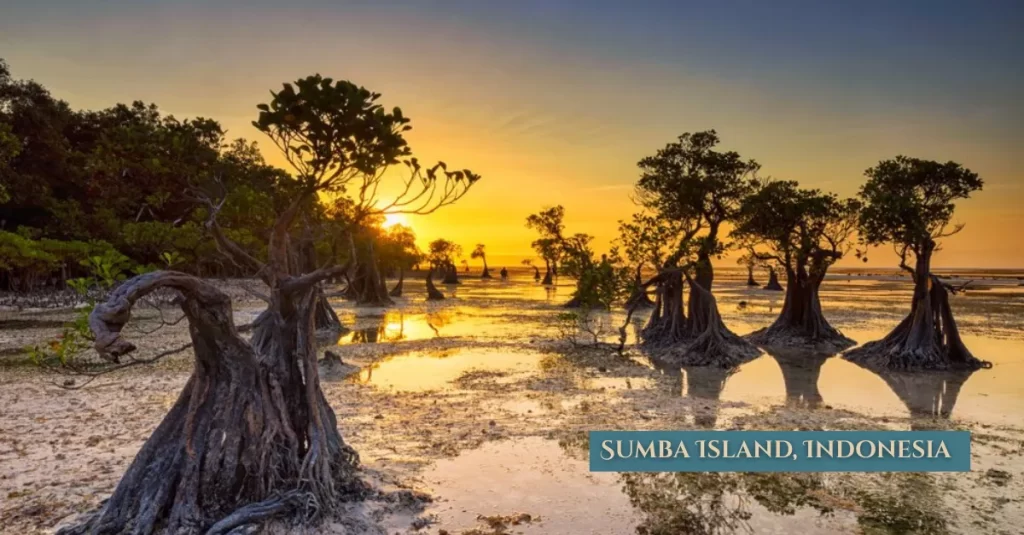
Why I love it: Sumba stands apart from more developed islands. It feels untamed, authentic, and full of character.
I watched wild horses run at sunset on Mbwana Beach. There are no smoothie bars here, just traditional villages and, by 2026, a new focus on ‘Impact Travel.’
- The Detail: Fly from Bali to Tambolaka. You’ll need a private driver as there is no public transport.
- My Tip: Visit the Tanggedu Waterfall. It’s a bit of a hike, but swimming in a canyon of turquoise water is the ultimate reset.
Check these places too: The 2026 Budget Travel Bucket List: Epic World Experiences
5. Si Phan Don, Laos: The 4,000 Islands
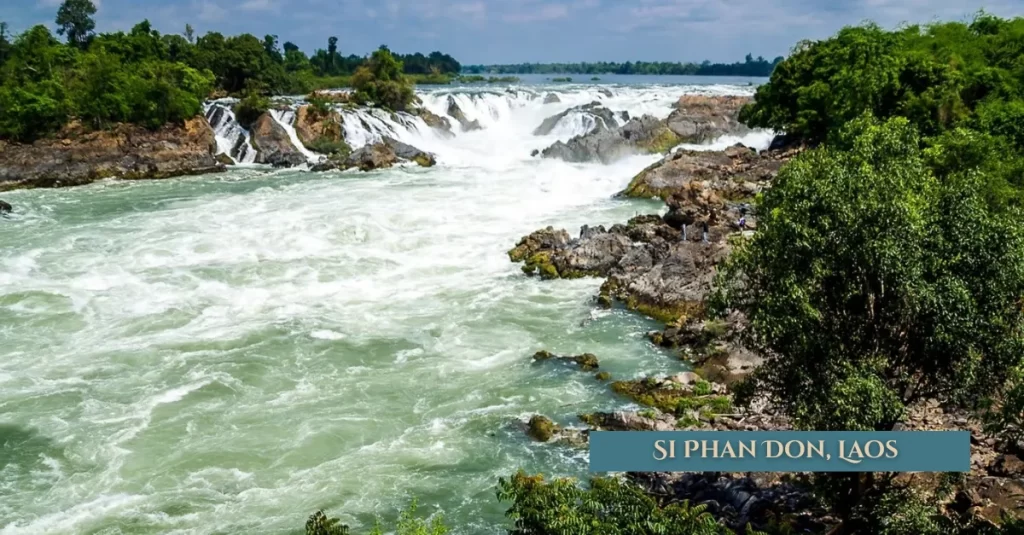
Why I love it: It’s the “Slow-Travel Oasis.” For high-performing professionals, it’s a rare chance to disconnect and let time slow to a full stop, offering deep restoration you won’t find on busy itineraries.
On Don Khone, I spent afternoons in a hammock by the Mekong. In 2026, you can still spot rare Irrawaddy dolphins at “Golden Hour” (4:30 PM).
- The Detail: Take the ‘Slow Boat’ from Pakse. This peaceful journey brings you into a region with no ATMs and very little noise.
- My Tip: Rent a bicycle to find the Old French Railroad Locomotive—a bizarre relic of colonial history in the middle of a tropical island.
6. Jorhat & Majuli Island, India: The Emerald River-World
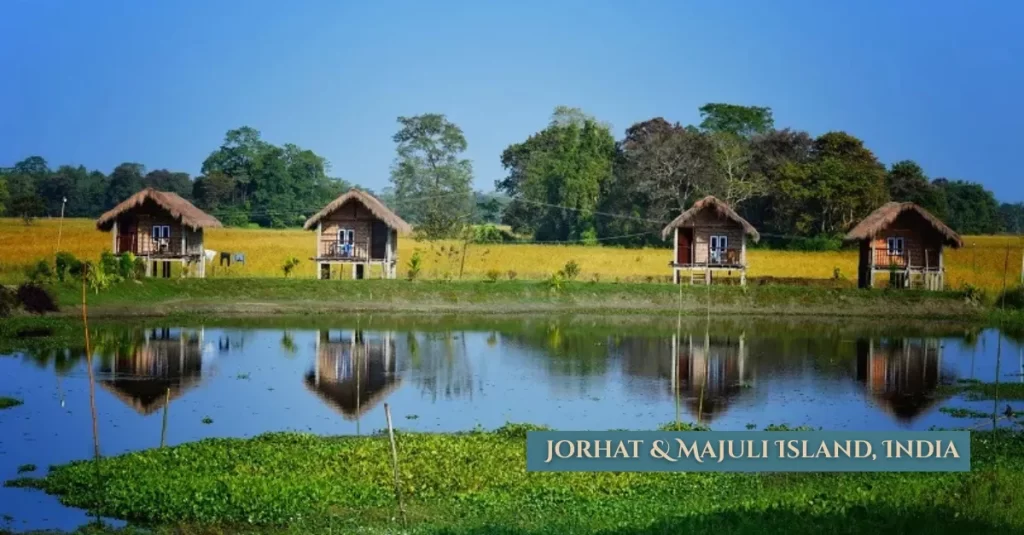
Why I love it: It’s a world of tea and “Sattras” (monasteries) that feels disconnected from the chaos of modern India.
Jorhat is the base for Majuli, the world’s largest river island. I stayed in a bamboo cottage and spent mornings with the Samaguri Sattra “Mask Makers.”
- The Detail: Fly into Jorhat and take the ferry from Nimati Ghat.
- My Tip: Go to the Hoollongapar Gibbon Sanctuary at dawn to watch India’s only apes, the Hoolock Gibbons, swinging through the trees.
7. Jaffna Peninsula, Sri Lanka: The Unseen North
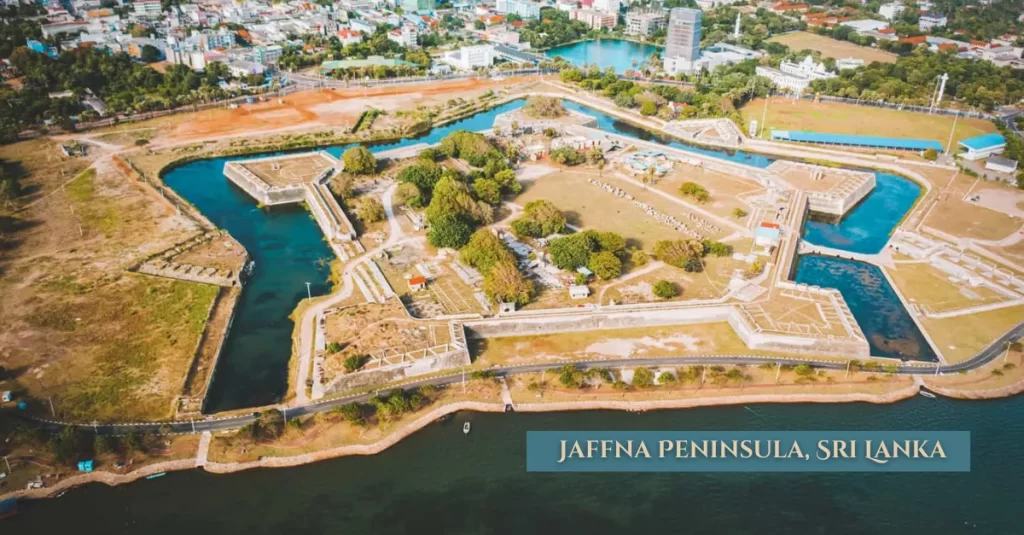
Why I love it: It’s a blend of vibrant Tamil culture and Dutch colonial ruins that feels entirely different from the rest of the island.
I walked along the ramparts of Jaffna Fort at sunset. Casuarina Beach is just a quiet 20-minute drive away and stays peaceful on weekdays in 2026.
- The Detail: Take the “Jaffna Queen” train from Colombo. It’s a scenic 6-hour journey through the heart of the country.
- My Tip: Bathe in the Keerimalai Springs, ancient natural pools located right on the edge of the ocean.
8. Altai Mountains, Mongolia: The High-Altitude Unplug
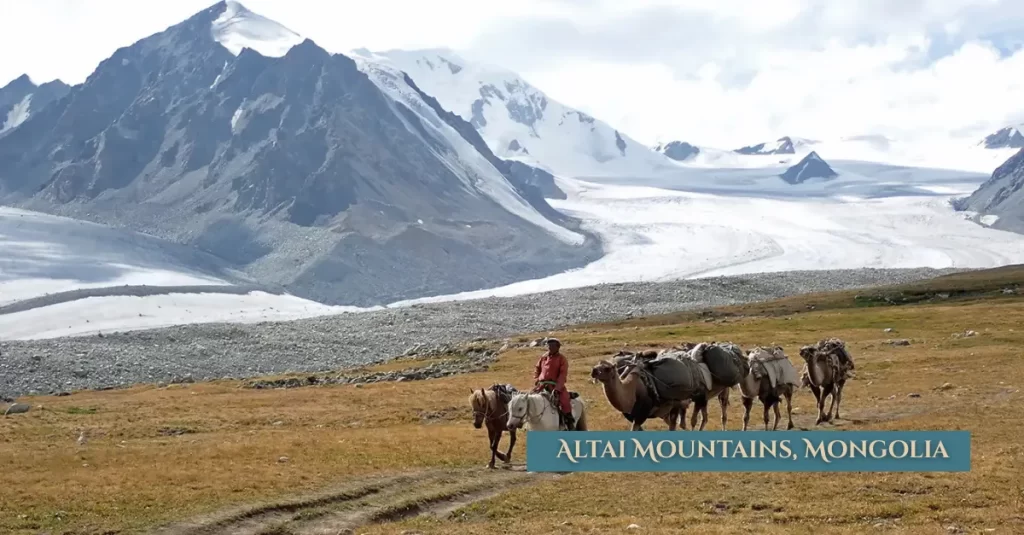
Why I love it: It is the “Last Frontier of Wildness.” When you’re here, you are truly off the grid.
I trekked to Potanin Glacier, Mongolia’s largest, with Kazakh eagle hunters. Staying in a Ger and waking up to snow-capped peaks at 4,000 meters is something I’ll never forget.
- The Detail: Fly from Ulaanbaatar to Ulgii, then take a 5-hour 4×4 drive into Tavan Bogd National Park.
- My Tip: Go in October for the Golden Eagle Festival to see the ancient bond between hunters and birds.
9. Phobjikha Valley, Bhutan: The Glacial Sanctuary
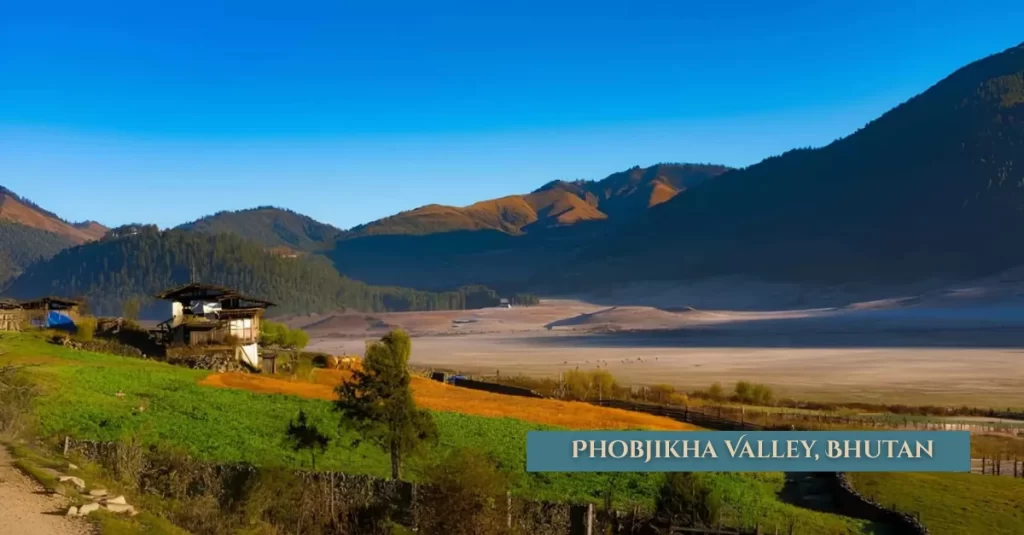
Why I love it: It’s a “High-Value, Low-Impact” harbor where nature is sacred.
I visited in winter to see Black-Necked Cranes migrate from Tibet. The U-shaped glacial valley feels like a piece of sky on earth.
- The Detail: You need to book your trip through a licensed guide. The daily ‘Sustainable Development Fee’ helps keep the valley clean and peaceful.
- My Tip: Try a Traditional Hot Stone Bath—it uses river stones heated over a fire and local herbs to detoxify the body.
10. Koh Yao Noi, Thailand: The “Anti-Tour” Island
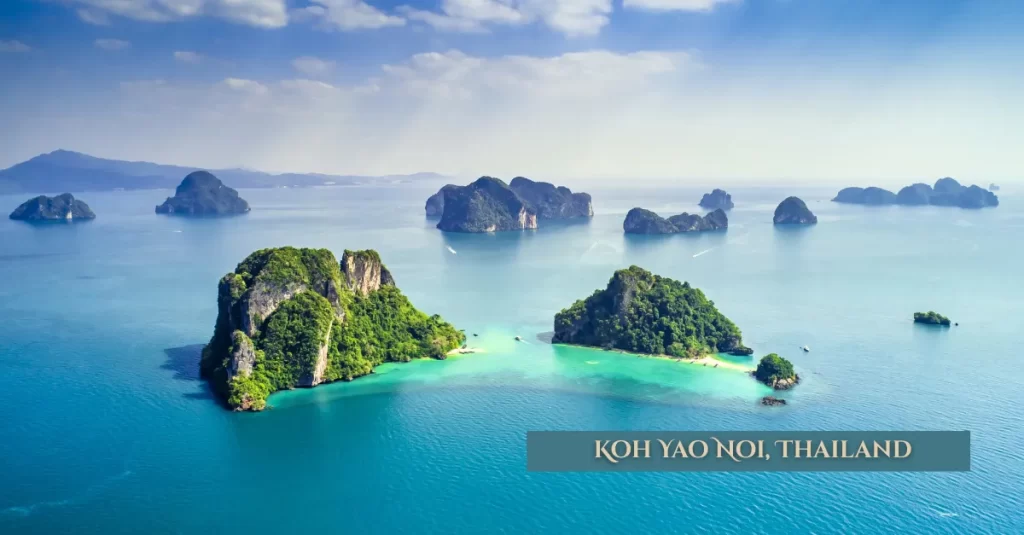
Why I love it: It’s the island that tourism forgot (in the best way possible).
In 2026, Koh Yao Noi is all about ‘Hushpitality.’ I explored rice paddies and fishing villages by Vespa. There’s no nightlife here, just the sounds of the Andaman Sea.
- The Detail: It’s a 30-minute speedboat ride from Phuket, but it feels like stepping back in time by 30 years.
- My Tip: Head to the east side of the island for sunrise. Watching the sun hit the limestone towers of Phang Nga Bay is the best way to start a day.
Frequently Asked Questions: Hidden Gems In Asia
1. Is it difficult to access these places if I don’t speak the local language?
In 2026, translation apps make communication much easier, but I still suggest hiring a local ‘Expert Fixer’ for places like Mongolia or Kazakhstan. It’s not only about the language, but also about understanding the local customs and how to get around.
2. Are these destinations safe for high-profile or solo travelers?
Yes. I’ve found that these “Hidden Gems” are often safer than major cities because the communities are tight-knit. Places like Bhutan and Koh Yao Noi have almost zero crime against tourists.
3. What is the “Zero-Trace” protocol mentioned in Vietnam?
It’s a 2026 standard for protected areas. This means you leave nothing behind: no plastic, no waste, and you don’t disturb the wildlife, such as the dugongs in Con Dao. Many luxury lodges now provide ‘Zero-Trace’ kits in your room.
4. Do I need to carry a lot of cash in these remote areas?
Yes. Even though digital payments are more common in 2026, ‘Cash is King’ in the Altai Mountains, Sumba, and the 4,000 Islands. Always bring local currency for small villages and for entry fees to waterfalls or parks.
5. How do I avoid the “Burn Season” when looking for nature resets?
This is important. Stay away from Northern Thailand and Vietnam between January and March. In 2026, I suggest visiting the Con Dao Islands or Sumba during those months to enjoy the best air quality for your ‘Blue Health’ reset.